Sports and Recreation
Sports and recreation play a central role in Canadian life. With vast natural landscapes, four distinct seasons, and a strong community culture, Canada offers something for nearly everyone—whether you are lacing up skates for the first time, joining a local soccer league, or heading out on a weekend hike. This page serves as a starting point to understand the world of sports and recreation, how to choose activities that suit your lifestyle, and how to get involved safely and affordably.
Whether you are a complete beginner or returning to an activity after years away, the goal is simple: find movement you enjoy, make it a sustainable part of your routine, and connect with others along the way.
What Sports and Recreation Mean
At their core, sports are structured physical activities, often competitive, governed by rules and typically practiced with teams or clubs. Recreation is broader: it covers any leisure activity done for enjoyment, relaxation, or health, from paddling a canoe to joining a community dance class.
The distinction matters less than it may seem. What unites both is participation. In Canada, public recreation is widely recognized as essential to community well-being, and municipalities across the country invest in arenas, pools, trails, and community centres to make activities accessible to residents of all ages and abilities.
Organized vs. Unstructured Activity
Organized sports—hockey leagues, soccer clubs, swim programs—offer coaching, scheduled play, and social structure. Unstructured recreation, like biking on a rail trail or playing pickup basketball at the local park, offers flexibility and lower barriers to entry. Most people benefit from a mix of both: structure builds skills and commitment, while unstructured play keeps activity enjoyable and low-pressure.
Popular Sports and Activities Across Canada
Canada’s geography and climate shape its sporting culture. Some activities are seasonal by nature, while others can be enjoyed year-round indoors.
- Ice hockey: often called Canada’s national winter pastime, played in arenas from small towns to major cities, with leagues for children, adults, and seniors.
- Lacrosse: a traditional Indigenous sport with deep roots in Canada, popular both competitively recreationally.
- Curling: a social, strategic ice sport accessible to beginners of any age, with clubs in nearly every province and territory.
- Soccer: one of the most registered youth sports nationwide, with strong recreational adult leagues.
- Hiking and camping: supported by an extensive network of provincial, territorial, and national parks.
- Skiing and snowboarding: available at world-class resorts in British Columbia, Alberta, and Quebec, alongside affordable local hills.
- Canoeing and kayaking: natural fits for a country with more lakes than any other in the world.
- Cross-country skiing and snowshoeing: low-cost winter options available in most communities with snowfall.
- Skating: outdoor rinks and frozen ponds remain a beloved winter tradition from St. John’s to Vancouver.
Year-Round Options
If seasonal activities are not practical, indoor recreation keeps you moving through every month of the year. Community centres typically offer swimming, basketball, badminton, yoga, fitness classes, and climbing walls. Many municipalities also operate walking tracks, indoor soccer fields, and public skates at reduced rates.
Choosing the Right Activity for You
The best activity is the one you will actually keep doing. Rather than chasing trends, start with honest self-assessment.
- Define your goal: fitness, stress relief, social connection, competition, or time outdoors.
- Consider your schedule: a weekly league requires commitment; solo activities like trail running offer flexibility.
- Assess your budget: equipment, registration fees, and travel add up, so factor in the total cost.
- Evaluate your current fitness: start where you are, not where you hope to be, and progress gradually.
- Test before committing: many organizations offer trial sessions, drop-in programs, or equipment rentals.
For example, someone who wants low-cost winter activity might try snowshoeing—boots and snowshoes are the only essentials—before investing in downhill skiing gear. A parent seeking a social outlet might find a recreational volleyball league more enjoyable than a competitive one.
Getting Started: Practical Steps
Once you have an activity in mind, taking the first step is easier than it looks.
- Check your municipality: city and town websites list recreation programs, facility schedules, and drop-in times.
- Look for beginner-friendly entry points: learn-to-skate programs, co-ed recreational leagues, or adult intro clinics.
- Borrow or rent equipment first: many clubs and outdoor stores offer rentals, letting you try before you buy.
- Recruit a friend: accountability and companionship dramatically improve long-term adherence.
- Ask about subsidies: organizations such as KidSport and Canadian Tire Jumpstart help cover registration and equipment costs for children whose families face financial barriers.
Benefits Beyond Fitness
The value of sports and recreation extends well past physical health. Regular activity is associated with better cardiovascular health, stronger muscles and bones, and improved sleep. But the social and mental benefits are equally significant.
- Mental well-being: physical activity reduces stress and anxiety and supports mood regulation.
- Social connection: teams and clubs create community, which is especially valuable for newcomers settling into a new city or province.
- Youth development: organized sports teach cooperation, discipline, resilience, and leadership.
- Lifelong participation: low-impact activities like swimming, walking groups, and curling keep people active into their senior years.
Safety and Injury Prevention
Enjoying an activity for years depends on staying healthy while doing it. A few habits go a long way.
- Warm up before activity and cool down afterward.
- Use appropriate protective gear: helmets for cycling, skiing, and skating; mouthguards where contact is likely.
- In winter, dress in layers and check conditions before heading outdoors—cold exposure and changing weather are real risks on trails and frozen waterways.
- Tell someone your plans when hiking or paddling alone, and carry essentials like water, navigation, and a charged phone.
- Progress gradually: most overuse injuries come from doing too much too soon.
If you have a pre-existing health condition or have been inactive for a long time, a conversation with a healthcare provider before starting a new rigorous activity is a sensible precaution.
Frequently Asked Questions
Do I need to be athletic to join a recreational league?
No. Most communities offer recreational divisions explicitly designed for beginners and casual players. The emphasis is on participation and fun rather than competition.
How can I stay active during Canadian winters?
Options abound: skating, cross-country skiing, snowshoeing, indoor pools, gyms, climbing gyms, and community centre programs. Many people find that embracing winter activities, rather than avoiding the season, makes staying active easier.
What if I cannot afford equipment or registration fees?
Start with activities that require minimal gear, such as walking, running, or hiking. For children and youth, subsidy programs exist in most provinces, and many municipalities offer discounted memberships or free drop-in programs.
How much activity do adults need each week?
Public health guidelines recommend that adults accumulate at least 150 minutes of moderate-intensity aerobic activity per week, along with muscle-strengthening activities twice a week. Recreational sports are an excellent way to reach these targets without it feeling like a chore.
Getting the Most From Your Active Life
Sports and recreation are not about performance standards or perfection. They are about building a life where movement is normal, enjoyable, and shared. Start small, choose activities that fit your reality, and let your interests evolve. With the range of options available across Canada—from community arenas to mountain trails—there is always a next activity waiting when you are ready for it.
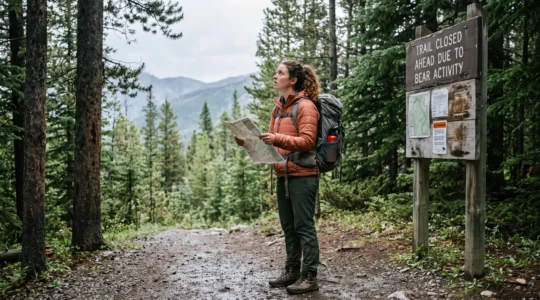
How Do You Plan a Canadian Park Trip Without Getting Surprised by Closures and Weather?
A Canadian park getaway can unravel before the first hike. A trail closes because of bear activity, wildfire smoke makes…
Read more
Why Do Professional Sports Matter So Much to Canadian Cities Even if You Never Watch?
A professional sports team can influence your city without ever appearing on your television. It can change downtown traffic, fill…
Read more